
MAY 05, 2025
Ventilated Facades: The Future of Energy-Efficient Buildings
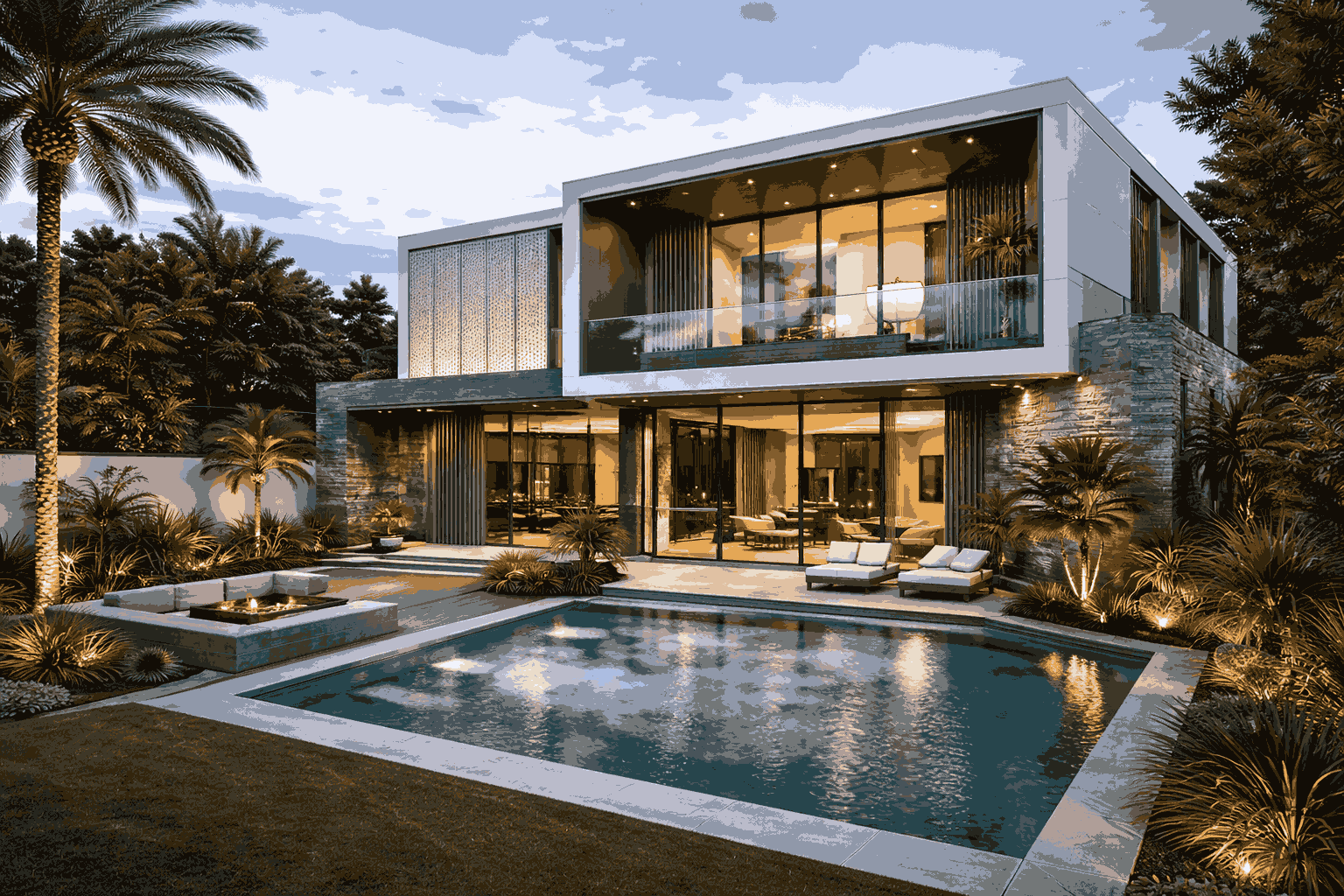
Ventilated facades are redefining modern architecture by combining advanced thermal performance with striking exterior design.
“Architecture breathes best when buildings are designed to breathe.”
What Is a Ventilated Facade?
A ventilated facade is a multi-layered exterior system that creates an air cavity between the structural wall and the outer cladding. This cavity enables airflow that reduces heat buildup and moisture accumulation.
How Ventilated Facades Work
Ventilated facades operate on the chimney effect. Warm air rises and exits at the top, drawing cooler air from below. This continuous circulation stabilizes indoor temperatures and reduces reliance on mechanical cooling.
Key Advantages of Ventilated Facade Systems
Ventilated facade systems improve thermal insulation, protect against moisture and condensation, enhance acoustic comfort, and significantly reduce energy consumption while extending building lifespan.
Materials Used in Ventilated Facades
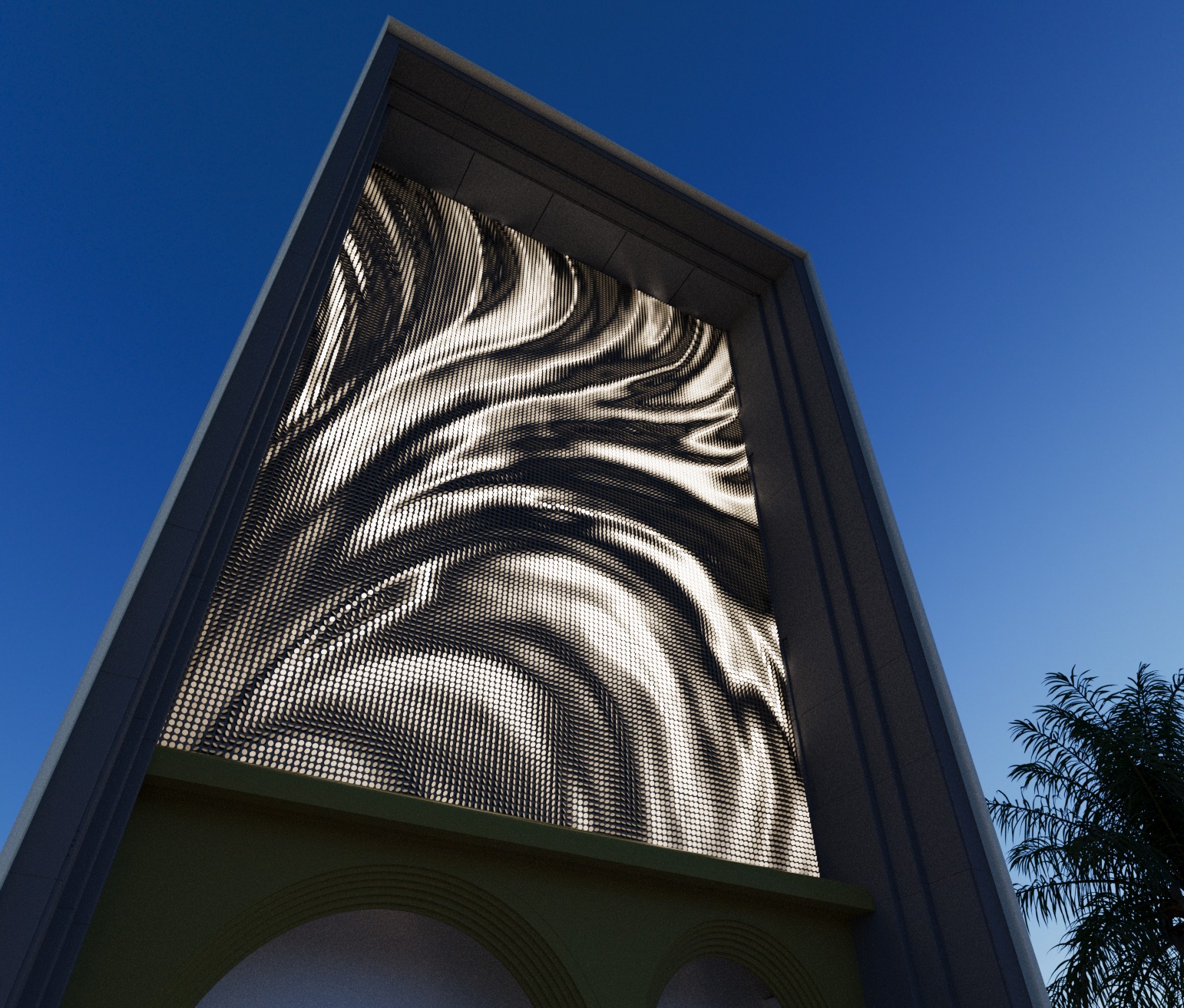
Our designs utilize premium metal panels and sheets, ensuring superior strength, long-lasting performance, and a sleek, modern aesthetic.
Sustainability and Environmental Impact
By lowering heating and cooling demands, ventilated facades reduce carbon emissions and support green certifications such as LEED and IGBC, making them a sustainable choice for modern construction.